Barcode warehouse and handheld scanner apps
Barcode scanning with a phone camera or Android handheld scanner, inbound and outbound load tracking, Zebra label printing and integration with your existing system.
Paper lists and hand-typed records in a warehouse mean parcels loaded onto the wrong truck, stock count discrepancies and lost time. A barcode warehouse app moves this process onto a phone or an Android-based handheld scanner: the parcel is scanned, the record lands in the system instantly and the label comes out of the printer. I'm Berke Özyaşar. For our client TCT Lojistik, I built a mobile app that tracks inbound and outbound warehouse loads by barcode.
Who it's for
- Logistics and warehousing companies that track inbound and outbound loads on paper or in Excel
- Companies that want to add a mobile scanning screen to their existing ERP or warehouse software
- Businesses that want to print parcel and pallet labels with their own information
What's included
- Barcode scanning with the camera (formats such as Code 128, Code 39, Code 93, EAN-13 and EAN-8)
- OCR to read the text on the label when the barcode can't be scanned, and to cross-check it against the barcode
- Inbound and outbound load flows, vehicle and license plate selection, parcel lists, load lookup
- Label design, preview and network printing to Zebra printers
- Automatic discovery of printers on the local network
- A secure API layer that connects to your existing server and database (e.g. ASP.NET Core, SQL Server)
- User login and access control
How I work
The warehouse flow comes first
Before starting development I walk through the warehouse flow step by step with the operations team: how goods arrive, with which label, and how they go out on which vehicle. The screens are shaped by this flow, not by menus.
Real devices, real labels
Barcode scanning and printing should be tested not at a desk but under warehouse lighting, at awkward angles and with worn labels. I run the pilot with real labels and a real printer.
Integration with your existing system
Most companies already have a database and a server. I build the app on top of them, not as a replacement.
Gradual rollout
Rather than rolling a new app out to the whole warehouse in one day, it is safer to start with a single flow, for example outbound loads only. Other flows are added as the team gets used to the app and the first feedback comes in.
Technology
React Native, camera and OCR with react-native-vision-camera, Zebra printing with ZPL, direct printer communication over TCP, and JWT authentication. Labels are designed in the app, rendered to an image and then converted into ZPL commands the Zebra printer understands, so the label you see on screen comes out the same on paper.
Related projects
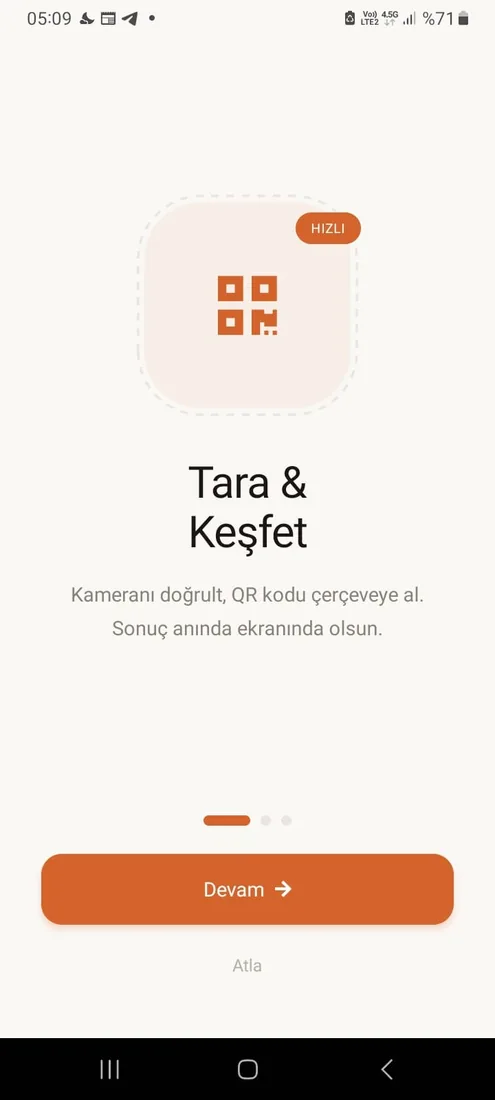
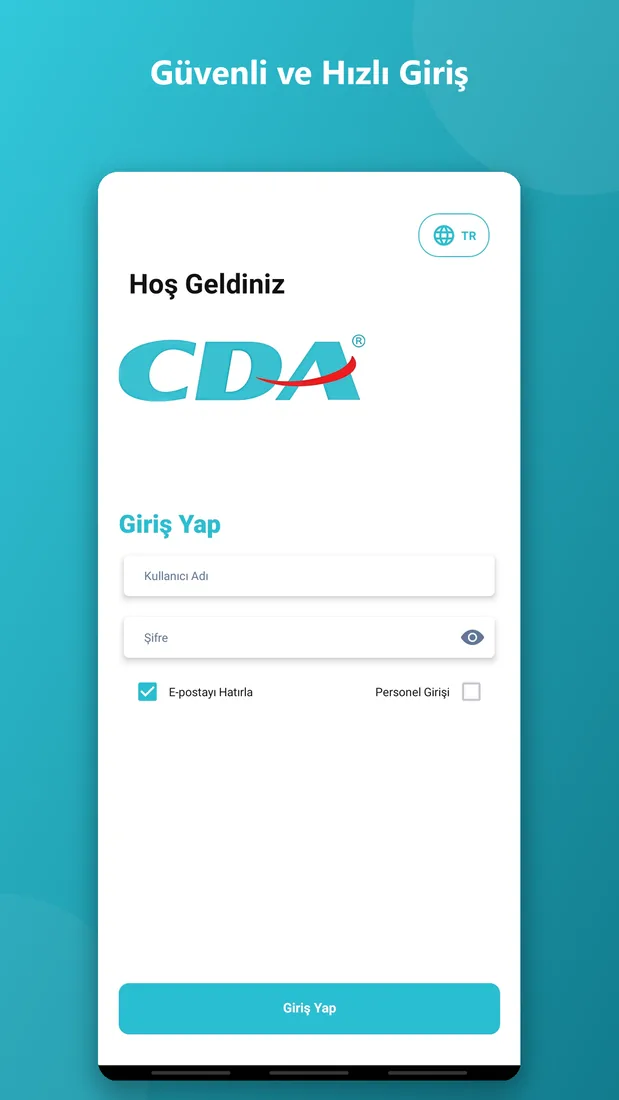
The TCT warehouse app is the most complete example of this service. My own app Scano QR works in a similar area, with fast camera scanning and text extraction from images. For CDA Lojistik I built a mobile app that makes logistics tracking and communication easier for their customers. I covered the technical details in the article building a barcode warehouse app.